Sample editorial article for future Sanity migration
Accessibility Insights
Why Sign-Language-First Technology Education Changes Who Gets to Participate
Access is not a translation added at the end. It shapes whether Deaf learners can ask questions, test ideas, and see themselves as creators in technology.
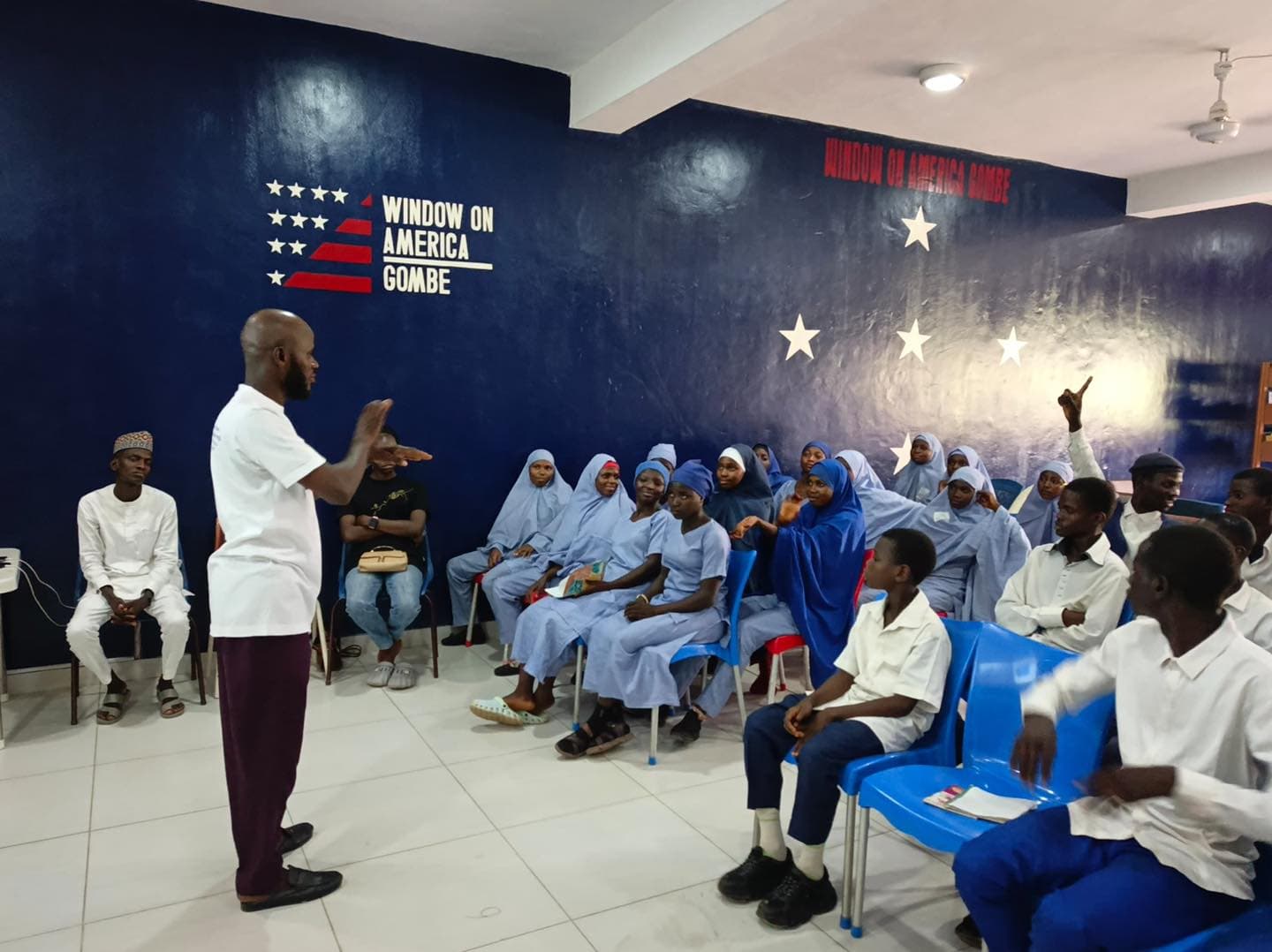
Technology education can open routes into learning, work, entrepreneurship, and civic participation. But those routes remain incomplete when Deaf learners must first overcome inaccessible instruction.
The problem is not Deaf talent
Many technology programs still depend on spoken explanations, uncaptioned media, and rapid classroom discussion. A Deaf learner may be present but unable to access the detail, questions, and informal exchanges that make learning meaningful. The result is exclusion created by design, not a lack of ability or ambition.
What TIDI sees in the classroom
When instruction begins with sign language and clear visual communication, the learning dynamic changes. Students can follow concepts directly, ask questions without waiting for information to be reconstructed, and contribute their own ideas. Access becomes part of teaching quality rather than a separate accommodation.
The practical lesson
Sign-language-first delivery requires more than placing an interpreter beside a facilitator. Strong programs plan visual materials, pacing, sight lines, captions, technical vocabulary, learner feedback, and time for questions from the beginning. Deaf facilitators and mentors should help shape both content and delivery.
Why this matters for impact
Accessible instruction strengthens participation and creates better conditions for skill development, confidence, mentorship, and career planning. For funders and partners, this means accessibility should be resourced as core program infrastructure and measured as part of quality.
From one classroom to wider systems
The long-term goal is not a small number of special sessions. It is an education and technology ecosystem where Deaf learners are expected, institutions understand their responsibilities, and accessible pathways continue from school into professional life.
TIDI Editorial Team
Deaf-led programs and communications