250+
Deaf learners trained
Across accessible training and mentorship
TIDI impact
A transparent view of TIDI's reported reach, accessible programs, field learning, partnerships, and priorities for the next phase.
Impact dashboard
Large totals are paired with reporting context so partners can understand what is measured and where further verification is needed.
250+
Across accessible training and mentorship
7
Across Northern and Central Nigeria
1,500+
Through outreach and community engagement
3+
Across learning, mentorship, health, and advocacy
7+
Helping make inclusion sustainable
Where we work
Explore the visual map or use the complete text list. Both provide the same program, year, audience, and impact-note information.
Schematic map for navigation; boundaries are illustrative.
The complete information represented by the map, available on every device.
Inclusive Digital Skills Training
2025 | Deaf youth and community participants
Accessible digital-skills baseline and community learning activity.
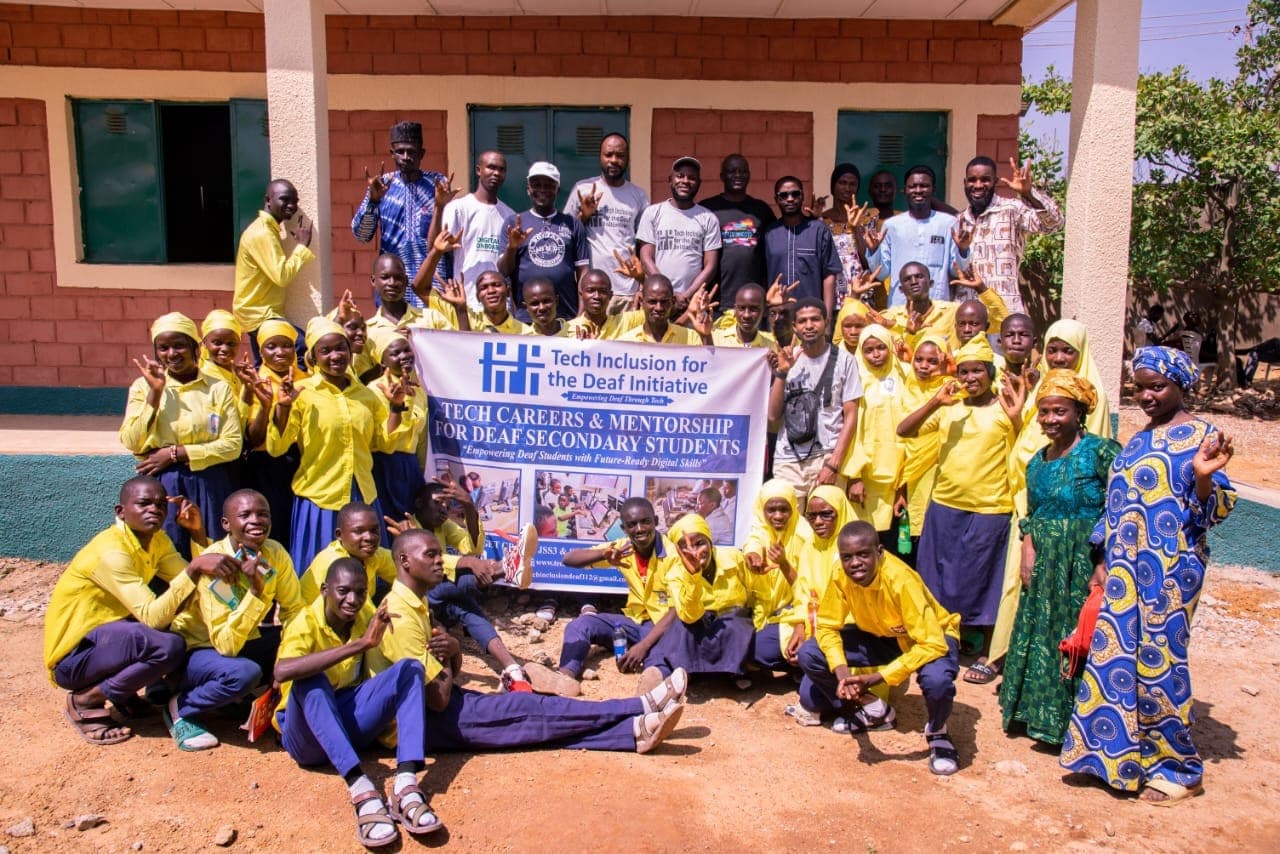
Tech Career & Mentorship Program
2025 | Deaf secondary-school students
Career exploration and mentor-guided planning for Deaf students.
STEM Mentorship for Deaf Students
2025 | Deaf students
Visual instruction, STEM exposure, and Deaf-led mentorship.
Accessibility Awareness and Advocacy
2025 | Deaf learners and school communities
Community engagement around access and inclusive participation.
Inclusive Digital Skills Training
2025 | Deaf learners
Practical digital learning delivered with visual communication support.
STEM Mentorship for Deaf Students
2025 | Deaf students
Accessible STEM discovery and mentorship activity.
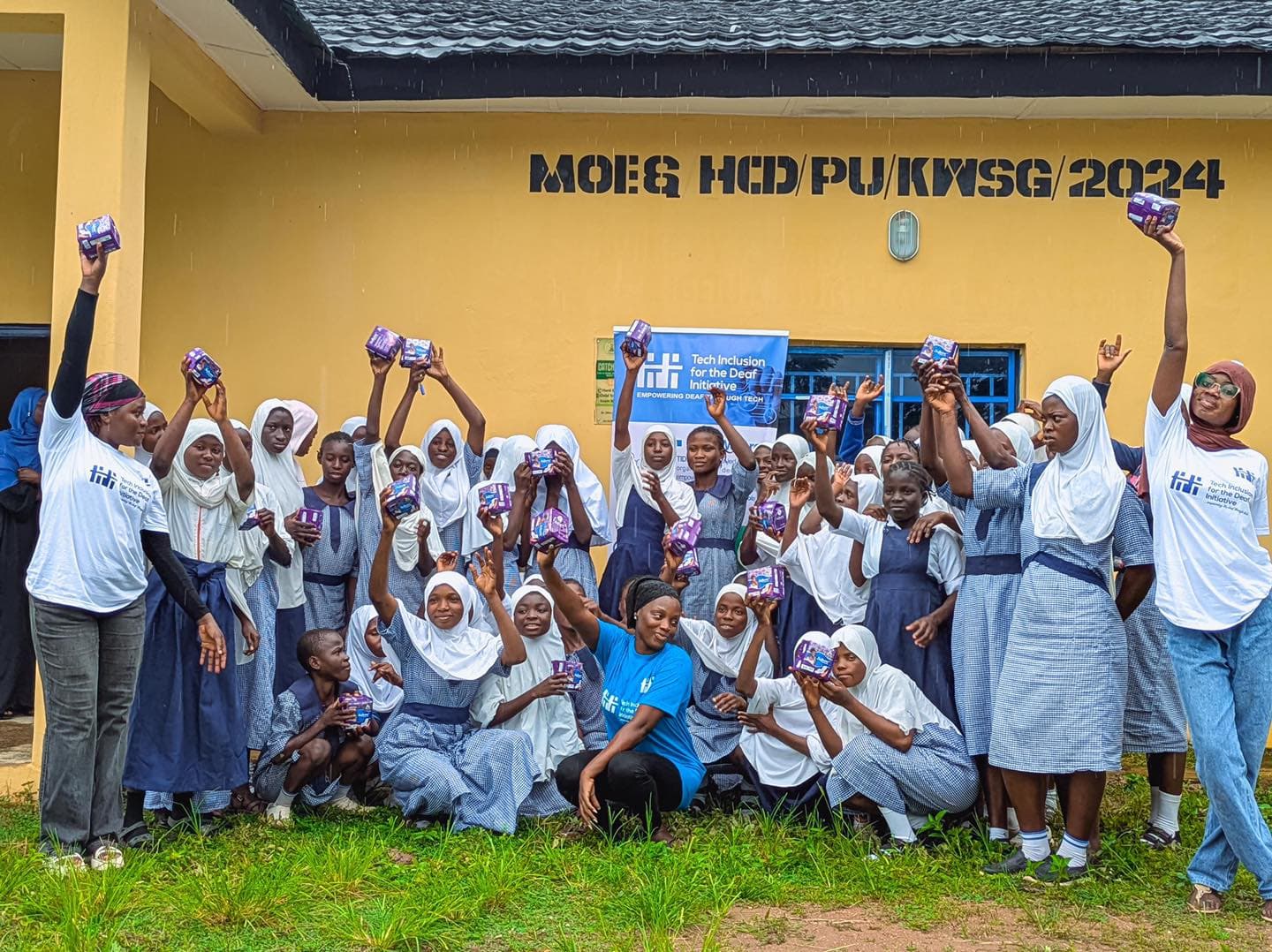
CODE RED: Menstrual Health Meets Innovation
2025 | Deaf girls and school communities
Accessible health information and creative awareness activity.
Program outcomes
TIDI tracks participation alongside learning, confidence, pathways, and partner practice.
Learners engage with digital tools, STEM concepts, and accessible learning activities designed around practical use.
Evidence tracked: Tracked through attendance, activity completion, and facilitator records
Sign-language-first delivery creates more room for questions, collaboration, and learner-led problem-solving.
Evidence tracked: Tracked through learner feedback and facilitator observation
Mentorship and career exposure help learners connect new skills with education, networks, and work opportunities.
Evidence tracked: Tracked through mentorship participation and next-step planning
Schools and partners gain practical experience delivering or supporting Deaf-inclusive programs.
Evidence tracked: Tracked through partner engagement and program documentation
Beneficiary stories
These field insights avoid invented quotations and describe recurring program moments unless a consented individual story is supplied through Sanity.
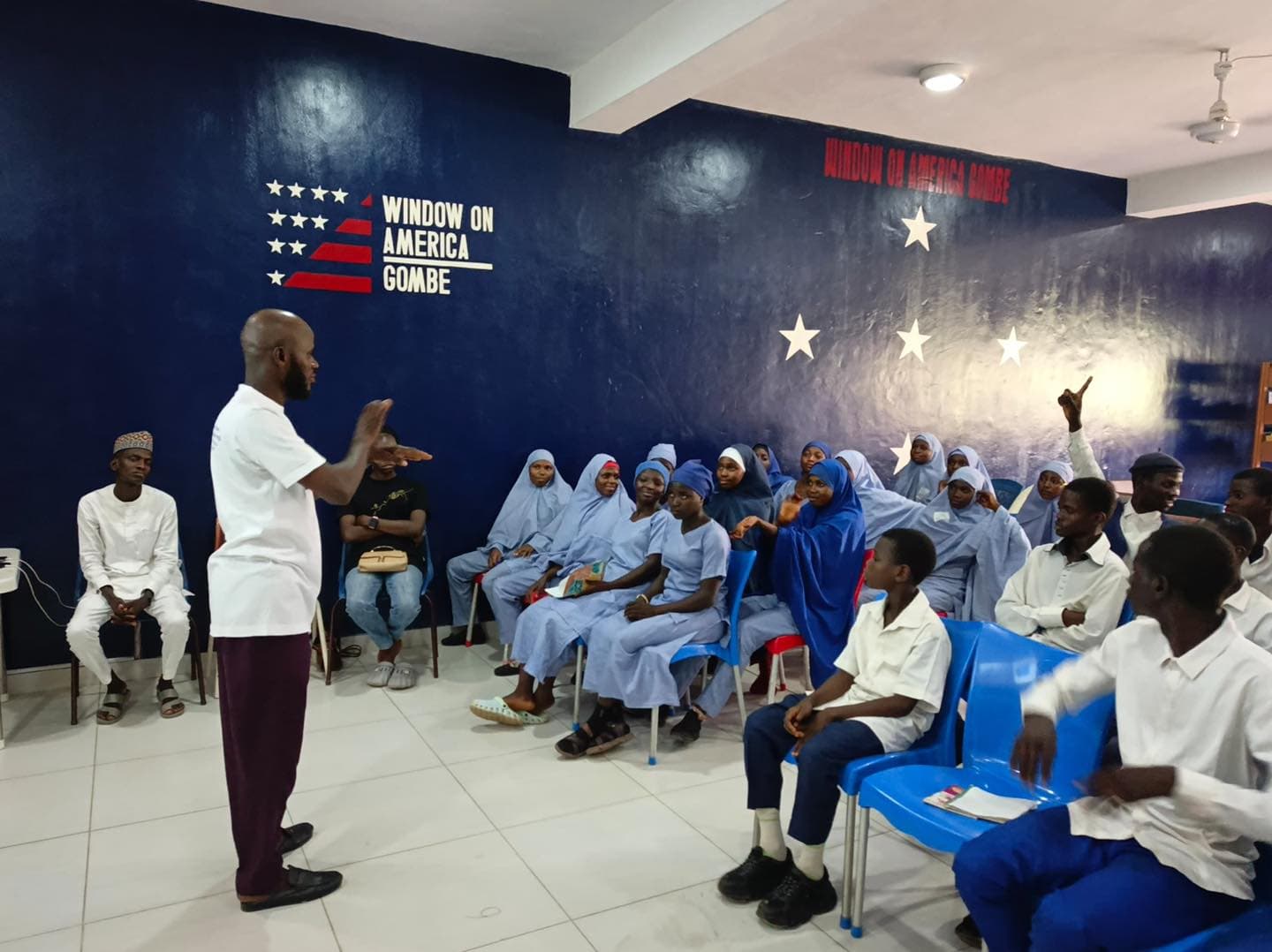
Gombe learning session
Visual, sign-language-first facilitation allows students to focus on ideas, ask questions directly, and take a more active role in the room.
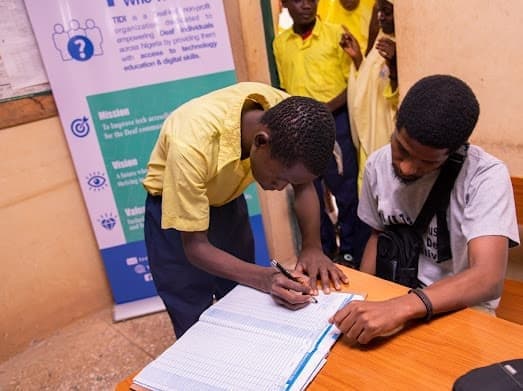
Kaduna mentorship activity
Structured mentorship helps a learner move from broad interest in technology toward a clearer goal, practical questions, and an achievable plan.
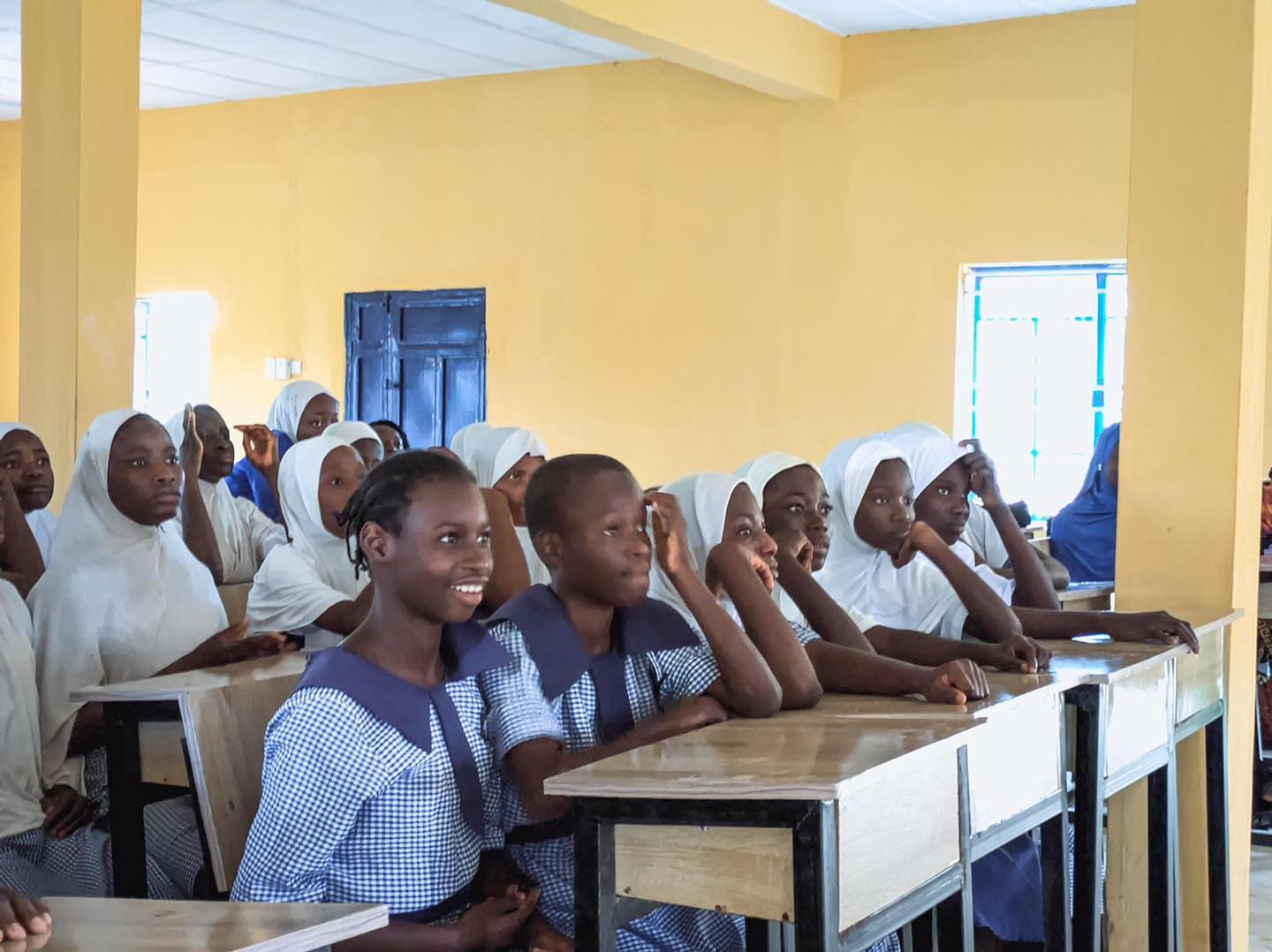
Community and school engagement
Teachers, families, and partners become part of the pathway when access is understood as a shared responsibility rather than an individual adjustment.
Photos from the field
Reports and downloads
Download current briefs or publish verified report files through the Impact Report document in Sanity.
November 2024 to present
Transparency
Headline totals are TIDI-reported figures supplied for this impact page. State details are temporary sample records used until approved program records are published through the Sanity Impact Report.
Counts combine program records, attendance, outreach documentation, and partner engagement reporting.
Reach does not automatically equal a measured long-term outcome. Cohort follow-up and state records require continued strengthening.
Future goals
Growth means stronger evidence, deeper pathways, and more durable local ownership, not reach alone.
Improve cohort-level baselines, follow-up, consent, and disaggregated reporting without creating unnecessary data burdens.
Develop reusable sign-language-first STEM and digital-skills materials for facilitators and partner schools.
Grow mentor, employer, internship, and professional exposure networks for Deaf youth.
Work with local institutions to sustain accessible delivery and strengthen community ownership.
Fund or partner
Support accessible program delivery, better measurement, mentor networks, technology access, or state-level partnerships.