The problem
The barrier this program addresses.
Health information is often inaccessible to Deaf girls, while stigma and communication barriers can limit confidence, participation, and informed decision-making.
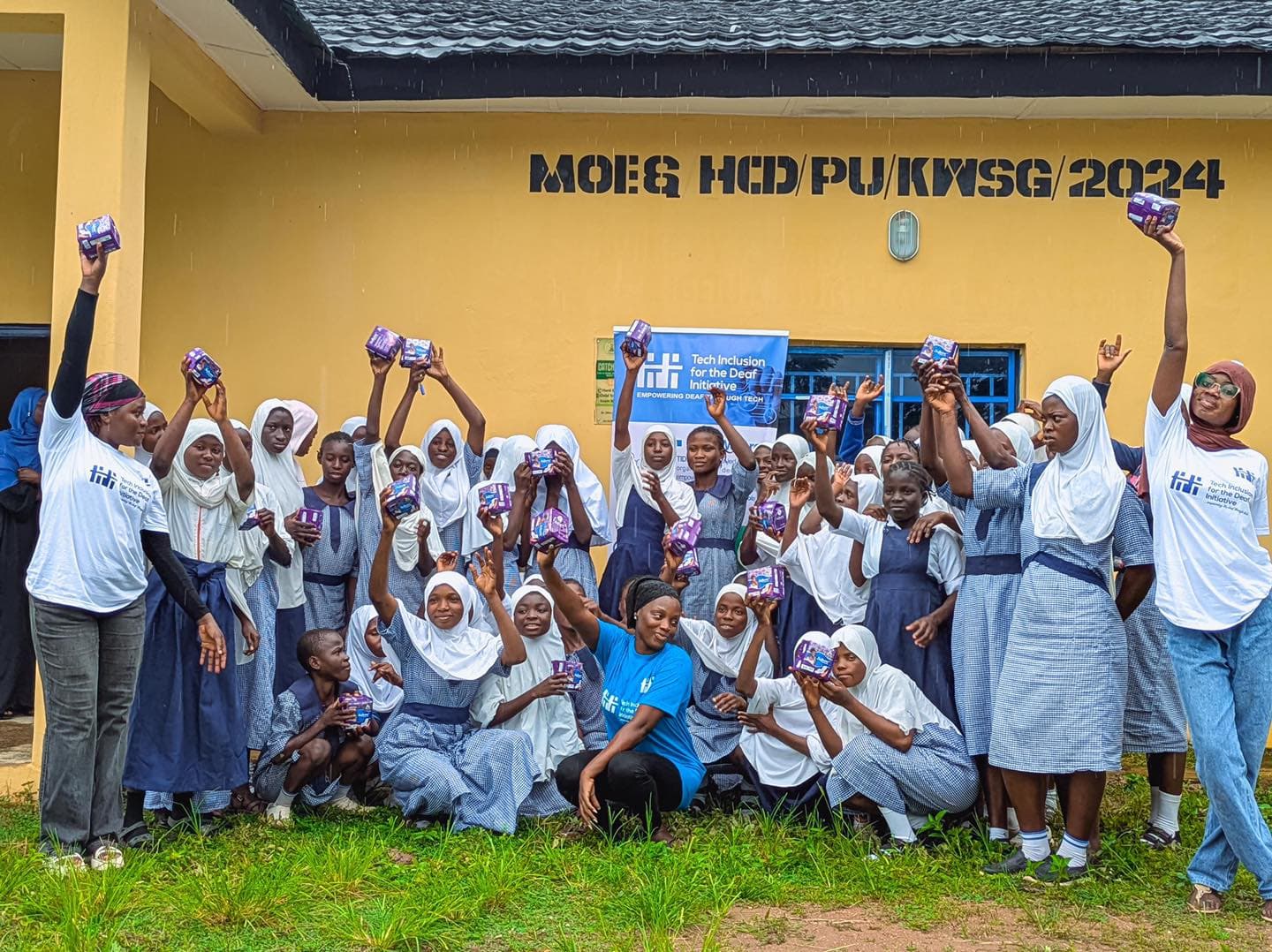
Accessible menstrual health education combined with creative problem-solving, digital awareness, and community participation.
Who it serves
Deaf girls, young women, educators, and school communities
Location
School and community settings in Nigeria
Impact context
1,500+ Community members reached across TIDI outreach
The problem
Health information is often inaccessible to Deaf girls, while stigma and communication barriers can limit confidence, participation, and informed decision-making.
TIDI's solution
CODE RED combines accessible health education with visual communication and innovation activities, making essential knowledge clearer, safer, and easier to share.
Who the program serves
Deaf girls, young women, educators, and school communities
Delivery reach
Accessible outreach designed for replication with local partners
Program activities
Sign-language-first health sessions
Question and answer circles
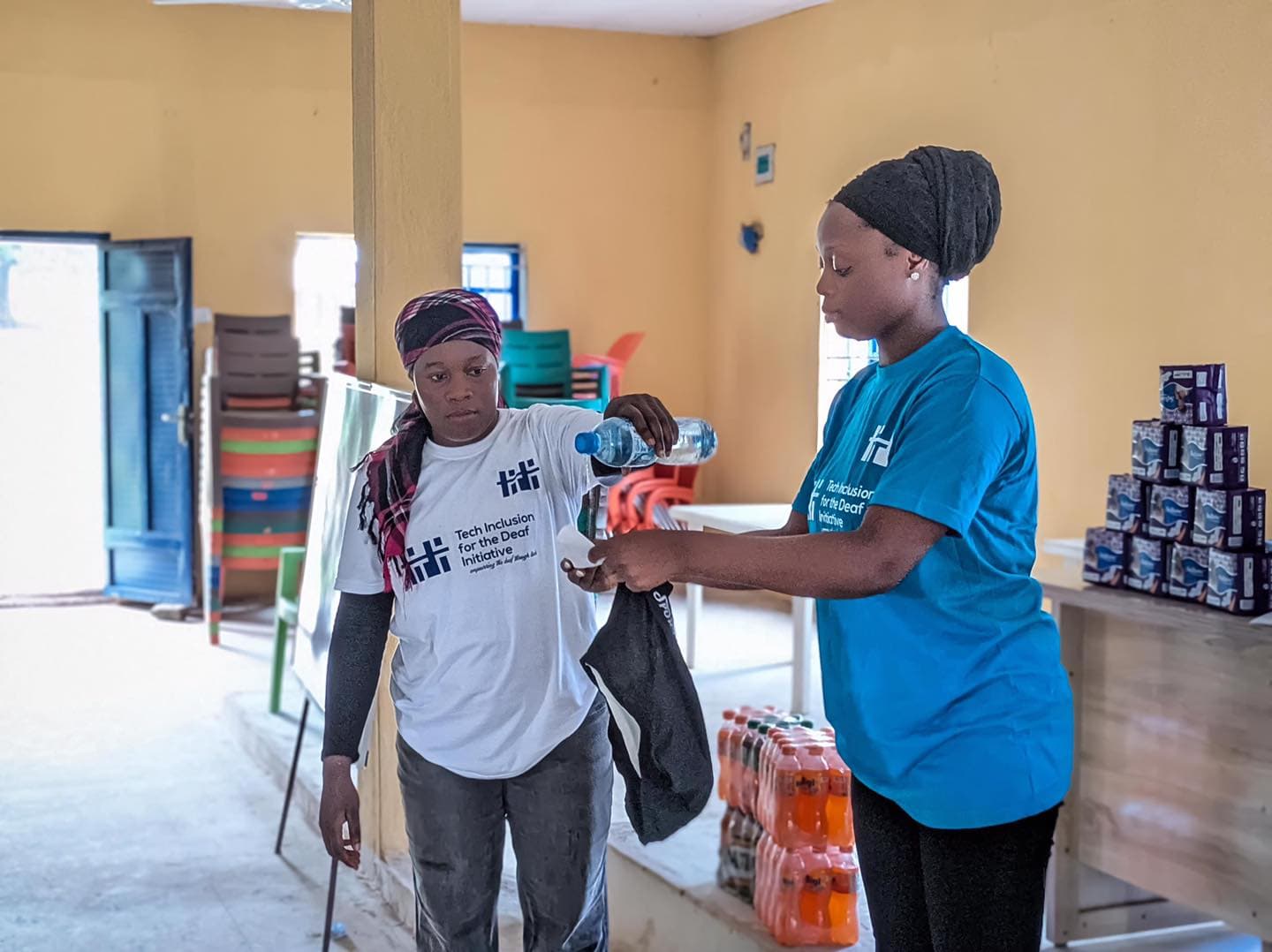
Accessible resource distribution
Creative awareness challenges
Teacher and community engagement
Photos from the field

Impact and accountability
Program-level outcomes are tracked by cohort. The figures below describe TIDI's current organization-wide reach and are not presented as results from this initiative alone.
1,500+
Community members reached across TIDI outreach
7
States reached across TIDI
7+
Schools and partners engaged
A story from the work
A safe learning space gives students more than facts. It gives them the language, confidence, and trusted support needed to make informed choices and share knowledge with others.
This field note reflects the program model and does not attribute words to an individual participant.
Partner
Support accessible health materials, school delivery, facilitator training, and community awareness cohorts.