The problem
The barrier this program addresses.
Deaf students are frequently introduced to STEM without accessible instruction, practical exposure, or mentors who can reinforce their sense of belonging in technical fields.
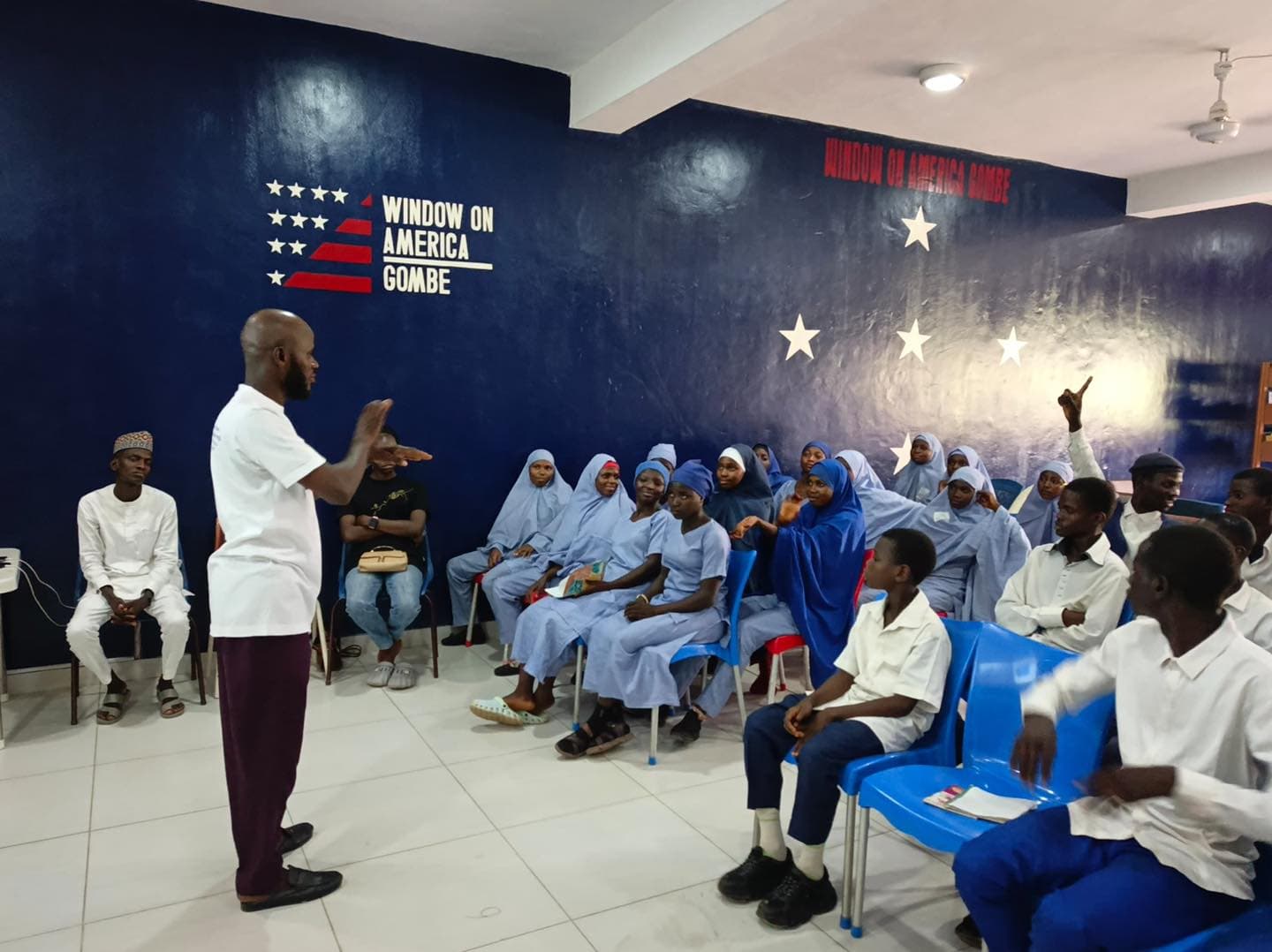
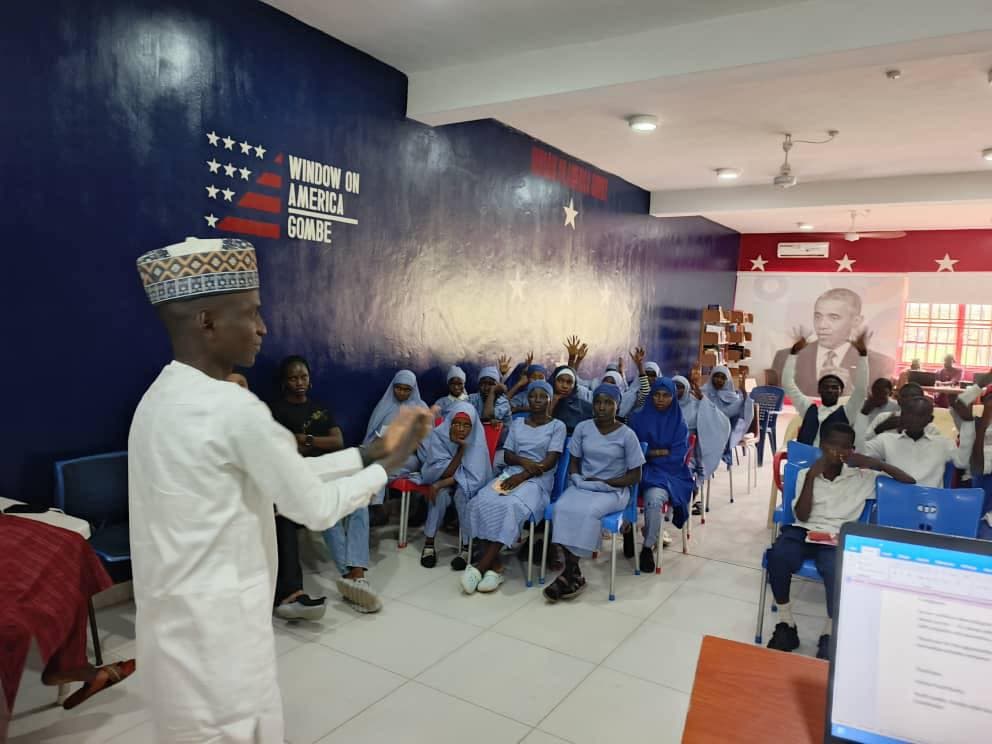
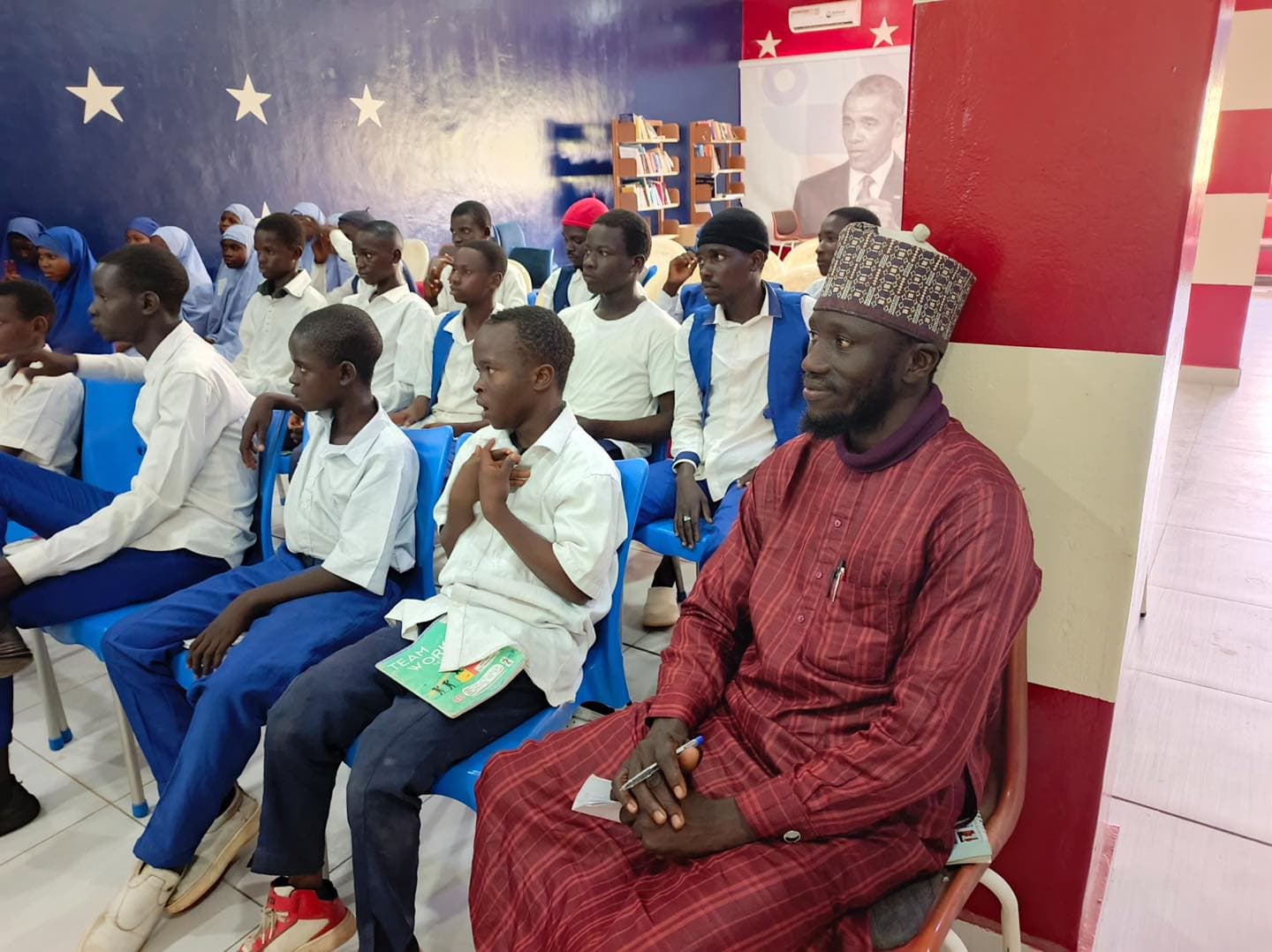
Accessible STEM exploration supported by mentors who help Deaf students move from curiosity to practical experimentation.
Who it serves
Deaf secondary-school students with an interest in science, technology, engineering, or mathematics
Location
Partner schools and TIDI learning communities
Impact context
200+ Deaf learners trained across TIDI programs
The problem
Deaf students are frequently introduced to STEM without accessible instruction, practical exposure, or mentors who can reinforce their sense of belonging in technical fields.
TIDI's solution
TIDI pairs visual STEM learning with mentorship, role models, and project-based exploration that treats Deaf students as future creators and problem-solvers.
Who the program serves
Deaf secondary-school students with an interest in science, technology, engineering, or mathematics
Delivery reach
Adaptable school-based mentorship cohorts
Program activities
Accessible STEM demonstrations
Mentor conversations
Team problem-solving challenges
Project concept development
STEM pathway planning
Photos from the field

Impact and accountability
Program-level outcomes are tracked by cohort. The figures below describe TIDI's current organization-wide reach and are not presented as results from this initiative alone.
200+
Deaf learners trained across TIDI programs
7
States reached across TIDI
7+
Schools and partners engaged
A story from the work
A mentor can turn an abstract ambition into something a student can name, explore, and plan for. Representation matters most when it is connected to practical support.
This field note reflects the program model and does not attribute words to an individual participant.
Partner
Partner on accessible STEM kits, mentor networks, school clubs, and project showcases for Deaf students.